Wondering if you can have a true suburban lifestyle and a practical Midtown commute? In Madison, New Jersey, that answer is often yes. If you are relocating for work, a lifestyle change, or more space, this guide will help you understand how Madison combines direct rail access, a lively downtown, and a high-end housing market. Let’s dive in.
Why Madison Works for NYC Commuters
Madison sits in southeast Morris County, about 20 miles west of Times Square. It is a small suburban borough with a population of 16,937, according to the Census Bureau, and it stands out for both its commuter convenience and established town character.
For many buyers, the biggest draw is the train. Madison Station is on NJ Transit’s Morris & Essex Line and offers MidTOWN DIRECT service to Penn Station New York. Drew University notes that Madison is about 50 minutes by train from New York City, which makes it a realistic one-seat commute for many professionals.
What the Midtown Direct Commute Looks Like
One of Madison’s most practical advantages is how well the station connects to daily life. The train station sits one block from Main Street and Route 124, so you are not dealing with a disconnected commuter lot far from town activity.
Madison Station also includes parking, bike racks or lockers, Wi-Fi, and weekday ticket-office hours from 5:30 a.m. to 9:00 a.m. That setup can make your morning routine more manageable, especially if you want options beyond driving to the station.
A true one-seat suburb
If your priority is a direct ride into Manhattan, Madison checks an important box. MidTOWN DIRECT service means you can commute to Penn Station New York without building your day around a transfer.
That matters more than many buyers expect. A one-seat ride can simplify your schedule, reduce stress, and make suburban living feel much more sustainable over time.
A walkable downtown-to-station connection
Madison is not just a train stop. The borough’s civic core, downtown businesses, and station are closely tied together, which gives the town a more connected feel than many car-dependent suburbs.
For a relocator, that often translates into easier mornings, simple errands, and more flexibility after work. You can step off the train and be near restaurants, shops, and civic buildings within a short walk.
Madison’s Lifestyle Beyond the Train
A strong commute gets your attention, but lifestyle usually shapes your long-term decision. Madison offers a downtown that feels active and established, with a mix of local businesses, dining, arts, and community spaces packed into a relatively compact borough.
The borough says Main Street includes local shops and restaurants, Borough Hall, and the train station within the Civic Commercial Historic District. Madison also notes that it has more than fifty food establishments within its four square miles, which helps support an active downtown feel beyond rush hour.
Dining, culture, and local character
Madison has several well-known cultural anchors, including Shanghai Jazz, the Shakespeare Theatre of New Jersey, and the Museum of Early Trades & Crafts. The borough also describes the Madison Community Arts Center as the heart of a vibrant arts and culture scene.
For many buyers, that mix creates a town that feels more layered than a purely residential suburb. You get commuter function, but you also get places and events that can fill weekends and evenings close to home.
A small college-town feel
Drew University and Fairleigh Dickinson University’s Florham Campus both add to Madison’s identity. Drew University is located at 36 Madison Avenue and reports a total enrollment of 2,224.
In day-to-day terms, the presence of two universities gives Madison a subtle academic energy. Lectures, theater, campus activity, and a broader mix of people can make the town feel more dynamic than its size might suggest.
What Homes in Madison Are Like
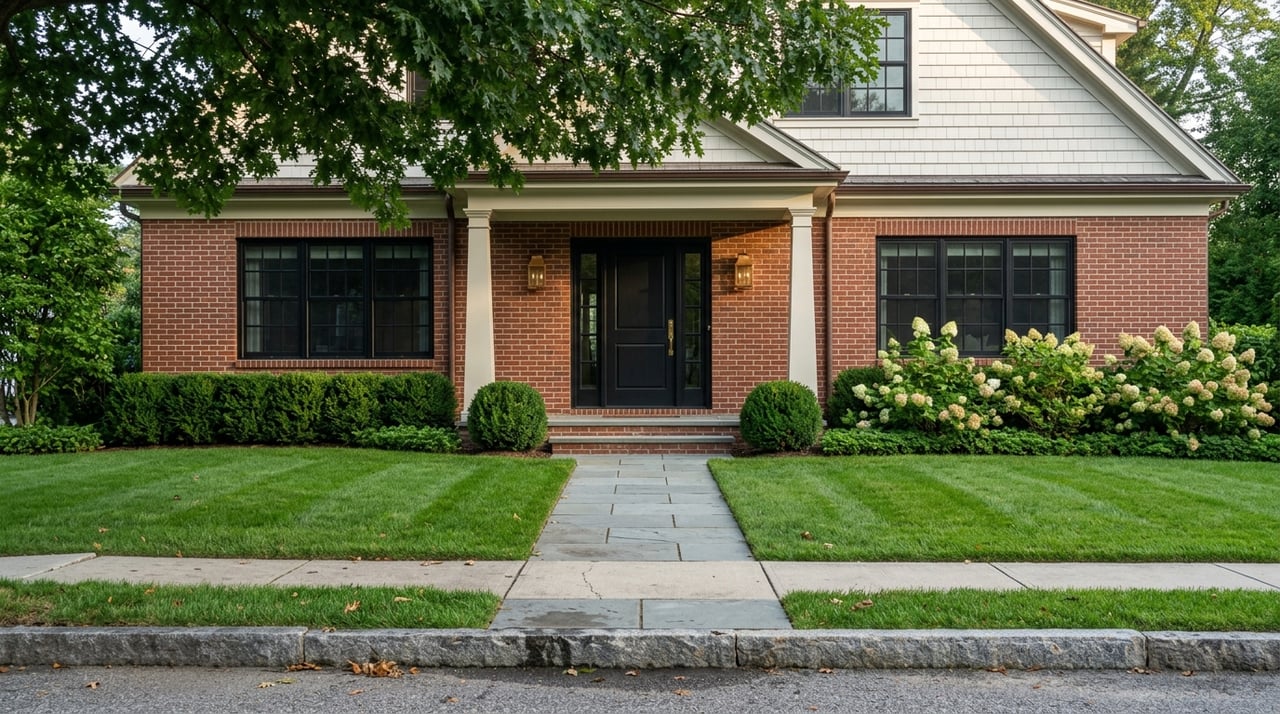
If you are relocating to Madison, housing style and pricing will likely be central to your search. Madison is commonly associated with classic older homes, established streetscapes, and a traditional suburban setting shaped in part by its historic development.
The borough identifies two historic districts: the Madison Civic and Commercial Historic District and the Bottle Hill Historic District. That historic footprint helps explain why buyers often find architecture and streetscapes here that feel distinctive, mature, and rooted in place.
Historic character matters
Madison’s historic-property inventory includes sites such as the Luke Miller House, Sayre House, Webb Memorial Chapel, Madison Train Station, and the Hartley Dodge Memorial Building. These details reinforce the town’s long-established identity and help explain why many homes and streets feel architecturally consistent with an older New Jersey suburb.
If you are drawn to classic homes, Madison may feel especially appealing. At the same time, older housing stock can come with different maintenance considerations than newer construction, so it helps to review each property carefully.
Know the historic district rules
If you are considering a home in one of Madison’s historic districts, there is an added layer to understand. The Historic Preservation Commission says buildings and sites in those districts require a Certificate of Historic Review for exterior changes.
That does not make ownership harder by definition, but it does mean exterior updates may involve an approval process. If historic character is part of what you value, this can help preserve the surrounding streetscape. If flexibility is your top priority, it is smart to factor that into your search early.
Madison Home Prices and Market Pace
Madison is a premium market, and buyers relocating from the city or from out of state should be prepared for pricing that reflects both commuter demand and limited inventory. Market snapshots vary slightly by source, but they point to the same broad conclusion: Madison remains competitive.
Realtor.com’s April 2026 summary shows 29 homes for sale, a median listing price of $1,249,500, a median sold price of $1,350,900, a median of 33 days on market, and a 101% sale-to-list ratio. It classifies Madison as a seller’s market.
Redfin’s April 2026 page reports a median sale price of $1,261,848 and 24 median days on market. Recent sold examples cited by Redfin include homes at $1.999 million, $2.175 million, and $4.62 million, which shows that Madison also has meaningful upper-end pricing.
What this means for your relocation
If you are moving for a Midtown Direct commute, timing and preparation matter. A seller’s market can mean fewer opportunities, faster decisions, and less room for hesitation when the right property appears.
This is where a tailored search can make a real difference. When you are balancing commute goals, home style, lot preferences, and timing, having a focused strategy can save time and help you avoid chasing listings that do not fit your priorities.
Parks and Outdoor Space in Madison
Madison’s appeal is not limited to downtown and rail access. The borough also offers meaningful open space, which can matter if you want trails, recreation, or a simple way to unwind close to home.
Memorial Park is Madison’s largest park at 68 acres. According to the borough, it includes trails, soccer and baseball fields, a dog park, a community pool, a skating rink, and the Nature Nuts program.
Summerhill Park adds 26 acres of passive woodland with trails. The Madison Recreation Complex includes fields, hiking trails, rain gardens, and a community garden, and the borough says Madison has close to 2 miles of trails overall.
Is Madison the Right Fit for You?
Madison tends to appeal to buyers who want three things at once: direct train access to Manhattan, a walkable and established downtown, and a housing market with classic suburban character. It is especially compelling if you want your commute and your weekend lifestyle to work from the same location.
It may be a strong fit if you value a one-seat ride to Penn Station New York, a town center with restaurants and cultural venues, and homes that often reflect historic character. It can also be a good match if you are comfortable competing in a higher-price market for the convenience and lifestyle Madison offers.
If you are relocating on a deadline, it helps to define your non-negotiables early. Think through commute tolerance, preferred home style, whether historic district considerations are a concern, and how close you want to be to downtown and the station.
For buyers making a move into Morris County’s commuter suburbs, Madison deserves a serious look. If you want guidance on finding the right fit and navigating a fast-moving market with clarity, New Jersey Luxury Real Estate Group can help you start your next chapter with a more informed plan.
FAQs
What is the train commute from Madison NJ to Midtown Manhattan?
- Madison Station is on NJ Transit’s Morris & Essex Line with MidTOWN DIRECT service to Penn Station New York, and Drew University describes the trip as about 50 minutes by train.
Is Madison NJ a true one-seat commute suburb?
- Yes. Madison offers MidTOWN DIRECT rail service to Penn Station New York, which makes it a practical one-seat commute option for many NYC workers.
What is downtown Madison NJ like for daily life?
- Madison’s downtown runs along Main Street and Route 124 and includes local shops, restaurants, Borough Hall, and the train station, creating a connected and walkable civic core.
Are homes in Madison NJ expensive?
- Madison is a high-price market. Realtor.com reported an April 2026 median listing price of $1,249,500 and a median sold price of $1,350,900, while Redfin reported a median sale price of $1,261,848.
Do historic district homes in Madison NJ have exterior review rules?
- Yes. The borough says buildings and sites in Madison’s two historic districts require a Certificate of Historic Review for exterior changes.
Does Madison NJ have parks and trails?
- Yes. Madison’s open-space system includes Memorial Park, Summerhill Park, and the Madison Recreation Complex, and the borough says the community has close to 2 miles of trails overall.