If you are preparing to sell an estate in Harding, you are not just listing a house. You are presenting a lifestyle built around land, privacy, architecture, and a sense of place. Today’s luxury buyers are selective, but they are also decisive when a property feels well prepared and clearly positioned. This guide will show you how to get your Harding estate market-ready for current buyer expectations and local realities. Let’s dive in.
Harding Is Already a Luxury Market
Harding operates in a different lane than the broader county market. Realtor.com’s March 2026 data shows a median listing price of $1,449,450 in Harding Township, compared with $699,900 across Morris County overall. Harding also had about 10 homes for sale, a median of 30 days on market, and sale-to-list pricing around asking.
That matters because your preparation strategy should match the market you are actually in. Realtor.com’s 2026 luxury outlook places the national luxury entry point near $1.2 million, which means Harding is firmly in luxury territory. Buyers at this level expect polish, clarity, and a home that feels easy to understand from the first photo to the first showing.
Harding’s Setting Is Part of the Product
In Harding, the land and surroundings are not background details. The township’s planning documents emphasize rural character, low-density landscapes, historic roads, open space, scenic vistas, wooded corridors, farmland, and bridle trails. Harding’s open-space plan also notes that more than 6,200 acres, or 47.1% of the township, are preserved.
For you as a seller, this means the estate’s setting should be marketed as deliberately as the house itself. Privacy, long views, mature trees, dark skies, and the feel of the approach all shape how buyers value the property. In many cases, the arrival sequence and outdoor experience do as much work as the interior finishes.
Start With the Arrival Experience
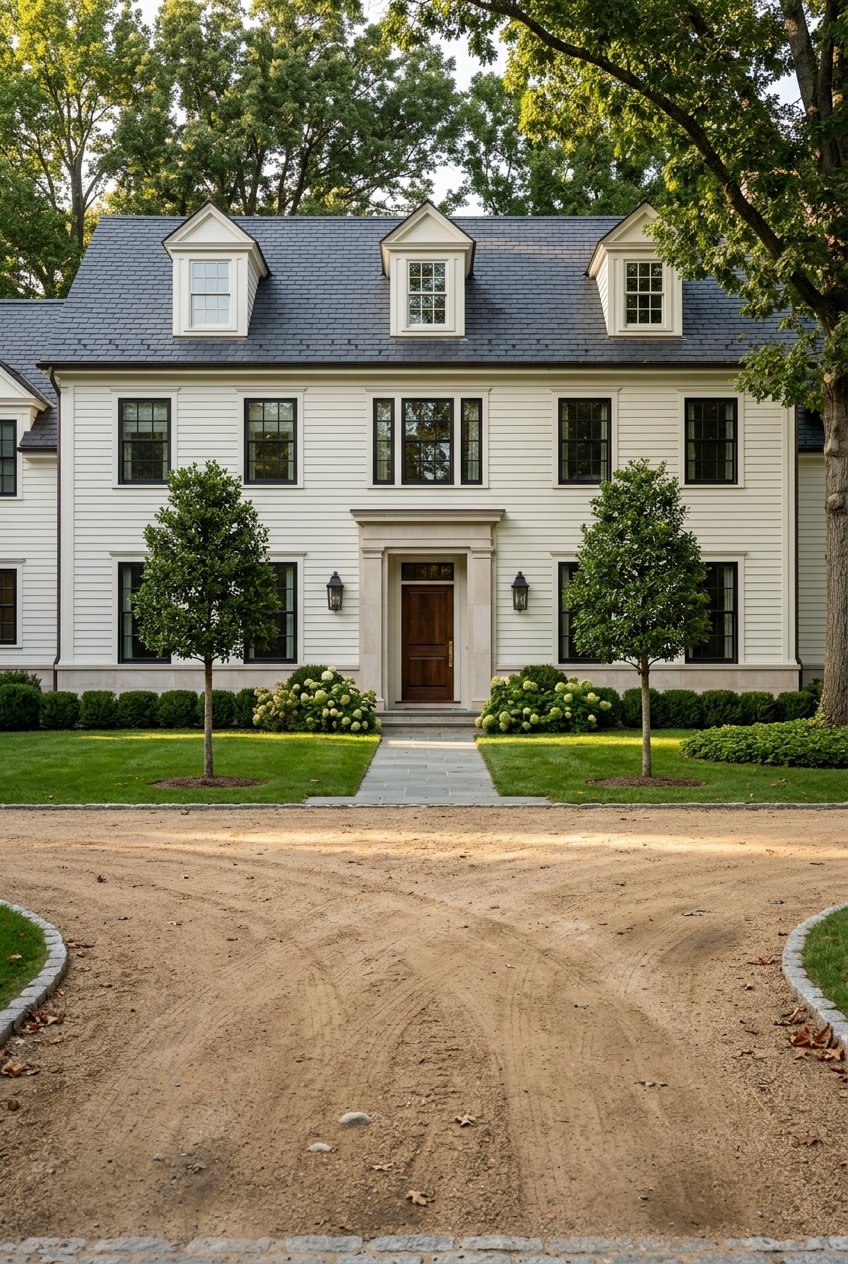
A Harding estate should feel composed from the moment a buyer turns in. The driveway, gate, frontage, entry lighting, and first full view of the home should read as calm, clean, and intentional. In a market that values rural character, overdone landscaping or visual clutter can work against the property.
This is also where curb appeal has real leverage. NAR’s 2025 staging profile found that 77% of sellers’ agents recommended improving curb appeal before listing. For an estate property, that means focusing on maintenance, proportion, and presentation rather than trying to force a dramatic redesign.
What to check outside first
- Edge and tidy the driveway and approach
- Trim overgrowth that blocks architectural views
- Refresh entry lighting if needed
- Make gates, fencing, and hardware look maintained
- Clean stone, walkways, patios, and front steps
- Keep lawns and planted areas neat, not overworked
Stage for How Luxury Buyers Shop
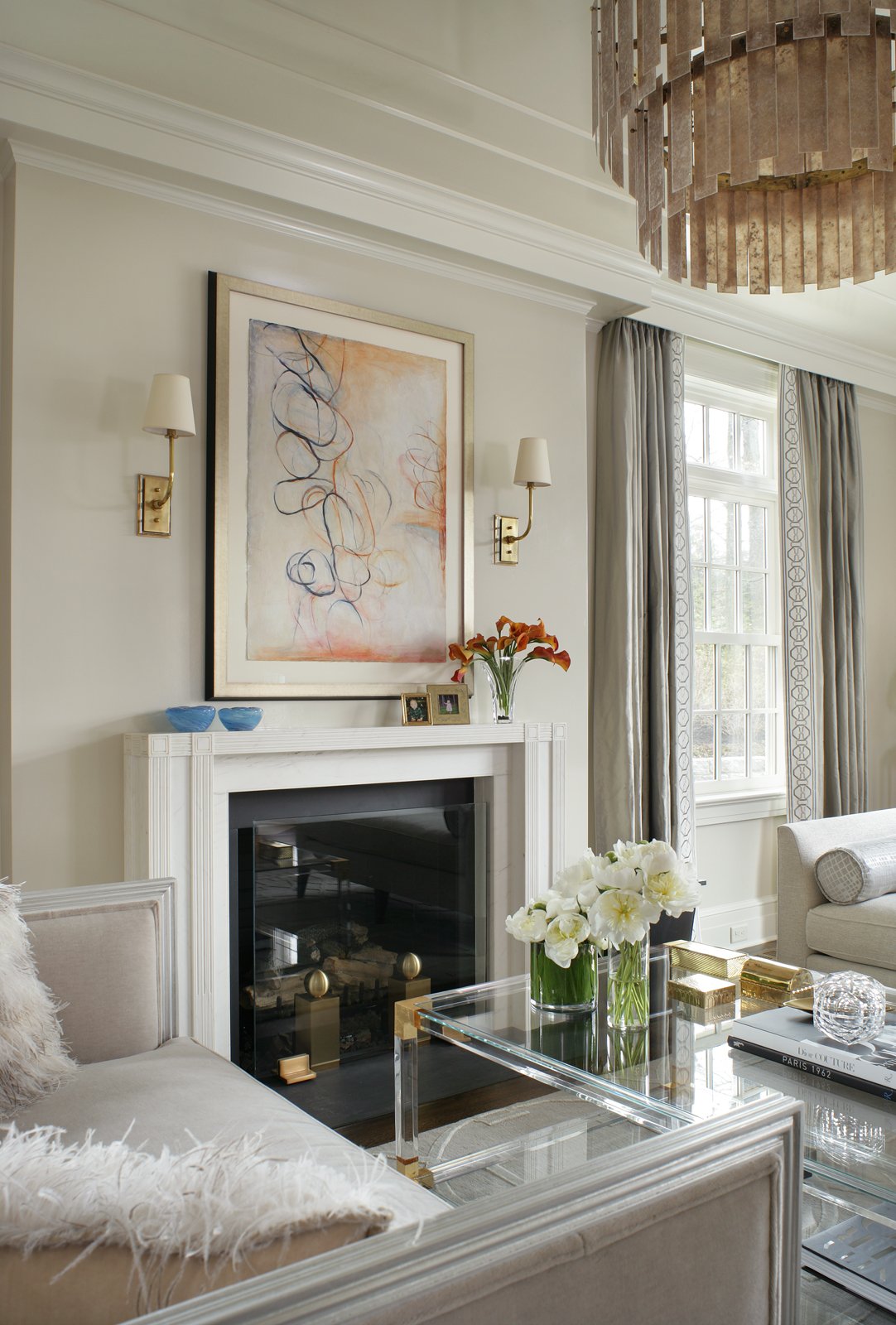
In the luxury segment, staging is not optional. NAR reports that 83% of buyers’ agents said staging made it easier for buyers to visualize a home. The same report found that buyers’ agents considered photos, physical staging, videos, and virtual tours highly important.
For Harding sellers, that should shape both how you prepare the home and how you market it. A well-staged estate photographs better, shows more clearly online, and feels more move-in ready during private tours. Since many upper-end buyers make fast judgments from digital presentation, every room needs to support the home’s overall story.
Stage these rooms first
NAR identified the most important rooms to stage as:
- Living room
- Primary bedroom
- Kitchen
These spaces usually carry the emotional and practical weight of the showing. If your budget or timeline is limited, start there.
Edit the Interior With a Lighter Hand
Today’s luxury buyer often responds better to interiors that feel layered, open, and functional than to rooms that feel crowded or highly personalized. That does not mean stripping the home of character. It means making the architecture, light, scale, and flow easier to read.
NAR data strongly supports simple preparation steps before listing. Sellers’ agents overwhelmingly recommended decluttering and cleaning the entire home. In an estate setting, that usually means removing extra furniture, thinning personal collections, simplifying styling, and creating more breathing room in key spaces.
Focus on visual clarity
Walk through the home as if you are seeing it for the first time. Ask whether each room has a clear purpose, easy circulation, and enough open space for buyers to notice the room itself. If the answer is no, editing will likely do more for value perception than adding more decor.
Make Smart Updates, Not Massive Ones
If you are wondering whether to renovate before listing, the answer in Harding is usually to stay selective. Realtor.com’s Harding market summary indicates that cosmetic updates can help in the current market, while major renovations rarely return full cost. Large projects may widen the buyer pool, but they do not always produce the best net result.
For most estates, the better path is to improve perceived quality. Fresh paint, deep cleaning, polished floors, updated fixtures, and small kitchen or bath refreshes can change how a home feels without dragging you into a long pre-listing timeline.
Updates that often make sense
- Repaint in clean, neutral tones where needed
- Replace worn or dated light fixtures
- Update visible cabinet hardware
- Repair small finish issues
- Clean or refinish floors
- Wash windows and exterior glass thoroughly
Treat Outdoor Living as Real Living Space
Luxury buyers now expect outdoor areas to function as an extension of the home. Realtor.com’s luxury coverage points to strong buyer interest in patios, decks, rear porches, landscaping, exterior lighting, outdoor kitchens, resort-style pools, and integrated entertaining features.
If your estate includes any of these, they should be prepared as carefully as the interior. Clean every surface, arrange seating intentionally, confirm systems work properly, and make each area feel usable. Buyers should be able to picture a quiet morning coffee, an evening gathering, or a full weekend at home.
Outdoor spaces to prepare
- Patios and terraces
- Pool and surrounding hardscape
- Outdoor kitchen or grill area
- Fire features
- Rear porches and covered seating areas
- Landscape and path lighting
Highlight Wellness, Light, and Ease
High-end buyers are paying closer attention to everyday comfort. Realtor.com’s 2025 wellness coverage notes growing interest in natural light, indoor-outdoor flow, air and water filtration, and wellness-focused features. NAR’s 2025 sustainability report also found that utility bills and operating costs are major concerns, with windows, doors, and siding ranking among important green-home features.
You do not need to transform the house into a new construction product. You do need to show that the home is comfortable, maintained, and efficient to operate. If you have upgraded systems or meaningful maintenance records, organize them before the home goes live.
Build a Better Marketing Package
A Harding estate needs marketing that captures more than square footage. Buyers need to understand the home at multiple scales, from interior detail to the full setting. NAR’s staging report found strong importance placed on photos, videos, and virtual tours, and that matters even more in a land-rich market like Harding.
This is where presentation excellence can directly shape buyer response. Strong photography, thoughtful video, and views that show acreage, setbacks, approach, and privacy help buyers grasp what makes the property special before they ever schedule a tour.
Your marketing should show
- The house itself in clean, balanced light
- The approach from the road or drive
- The relationship between the home and the land
- Outdoor entertaining areas in context
- Privacy, views, and major landscape features
- Key interiors that define the estate lifestyle
Do Harding Due Diligence Before You List
Luxury buyers expect fewer surprises, not more. In Harding, that means confirming that visible improvements and property features are accurately represented before marketing begins. The township zoning office states that approval is required for many common estate features, including additions, pools, generators, fences, driveways, sheds, decks, hot tubs, patios, and solar panels.
If work was done over time, it is wise to confirm status before the listing goes live. If an estate is in or near one of Harding’s historic districts, exterior changes may also deserve extra review because the township’s historic preservation framework can apply to historic resources and streetscape character.
Also prepare for well and land questions
If the property has a private well, New Jersey’s Private Well Testing Act requires testing when the property is sold, and both buyer and seller must review the results before closing. The New Jersey Department of Environmental Protection says the average test price is about $1,200 to $1,500. Harding’s health department also administers septic and well regulations.
If the property includes preserved land, easements, or trail-related considerations, be precise in how the land is described. Buyers will want clarity on what is private, what is protected, and what restrictions may apply.
A Practical Harding Estate Checklist
Before listing, make sure you have covered the basics that matter most:
- Declutter and depersonalize main living spaces
- Deep-clean all rooms, windows, and glass
- Stage the living room, primary bedroom, and kitchen first
- Refresh paint, lighting, and visible hardware where needed
- Tidy and photograph the grounds and arrival path
- Clean and style outdoor entertaining areas
- Gather records for major systems and maintenance
- Confirm zoning approvals for visible improvements
- Check whether historic review could affect exterior changes
- Complete required well-related planning if applicable
The Goal Is Confidence
The best-prepared Harding estates do not try to be everything to everyone. They present a clear, elevated version of what buyers already come to Harding to find: privacy, land, architectural character, and a refined sense of retreat. When the house is edited well, the grounds are ready, and the documentation is in order, buyers can focus on the opportunity instead of the unknowns.
If you are considering a sale, working with a team that understands both luxury presentation and local market positioning can make the process more efficient and more strategic. To plan your next move with tailored guidance and premium marketing support, connect with New Jersey Luxury Real Estate Group.
FAQs
What makes Harding Township a luxury real estate market?
- Harding’s March 2026 median listing price was $1,449,450, which sits above the national luxury entry point cited by Realtor.com and well above Morris County’s overall median listing price.
What should sellers stage first in a Harding estate?
- The top priority rooms are the living room, primary bedroom, and kitchen, based on NAR’s 2025 home staging findings.
What updates add the most value before listing a Harding estate?
- Cosmetic improvements like paint, cleaning, fixture updates, polished floors, and light kitchen or bath refreshes generally make more sense than major renovations.
What Harding property features may need zoning approval?
- Harding’s zoning office says many common features may require approval, including additions, pools, generators, fences, driveways, sheds, decks, hot tubs, patios, and solar panels.
What should sellers know about private wells in Harding, NJ?
- If the property has a private well, New Jersey’s Private Well Testing Act requires testing during the sale process, and both the buyer and seller must review the results before closing.
Why do outdoor spaces matter when selling a Harding estate?
- Luxury buyers increasingly expect outdoor living areas such as patios, decks, pools, landscape lighting, and outdoor kitchens to function as usable extensions of the home.