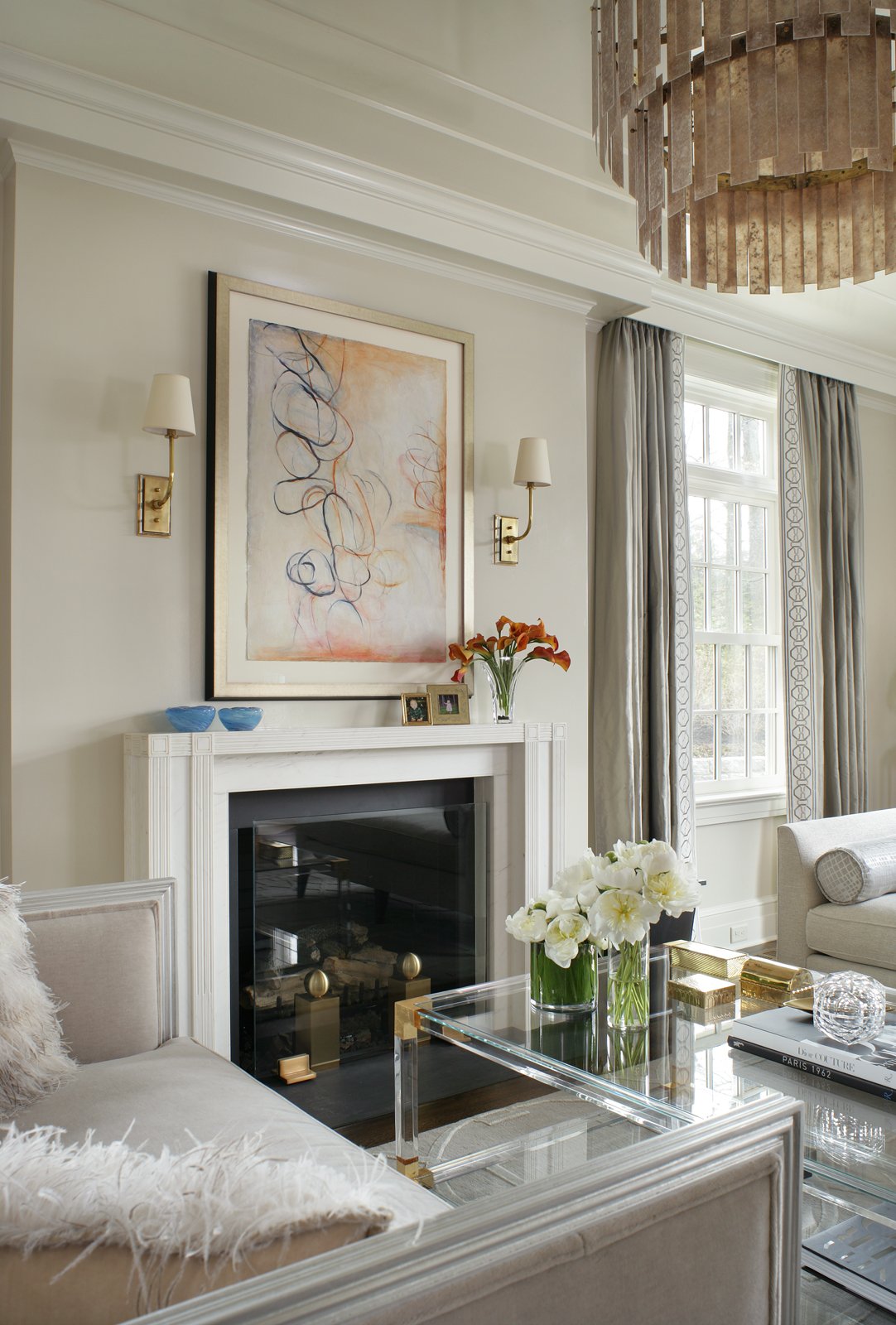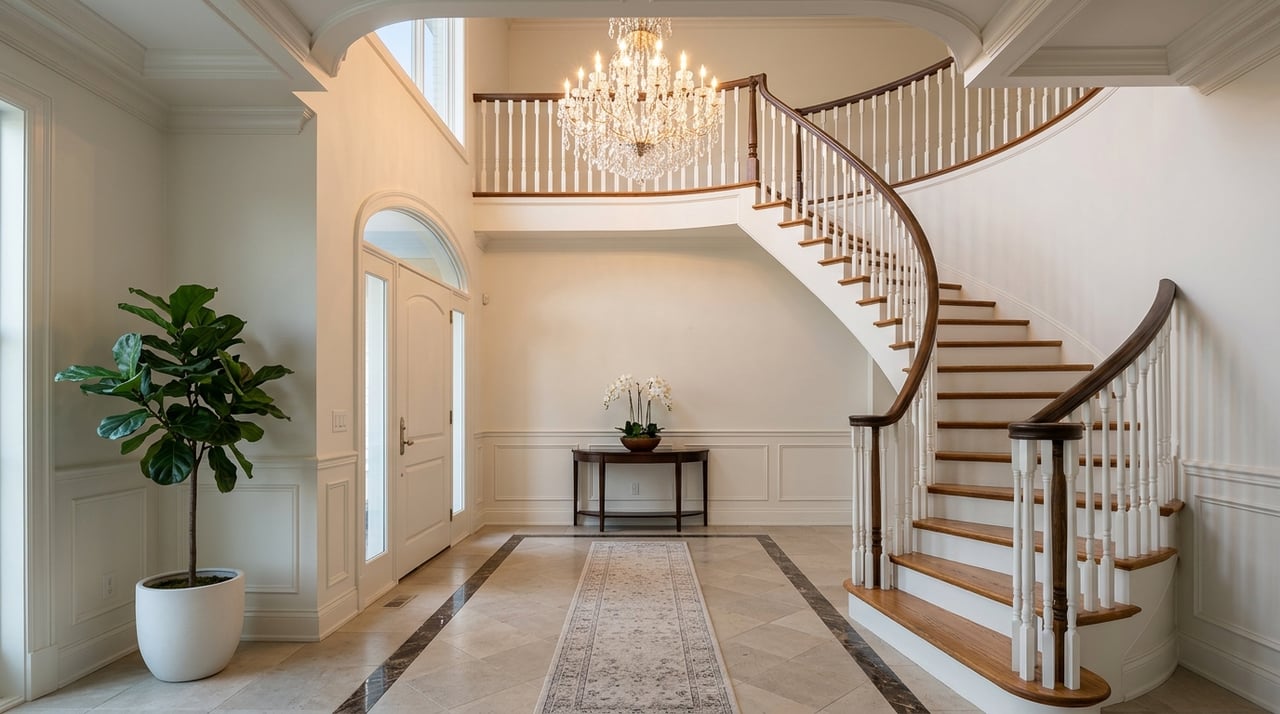
Wondering whether Montville or Livingston is the better fit for your next move? If you are searching for a luxury suburban lifestyle in North Jersey, the right answer often comes down to how you want your days to feel. One town leans more toward privacy, open space, and a quieter rhythm, while the other offers a more built-out setting with concentrated conveniences and a stronger town-center feel. Let’s dive in.
Montville vs. Livingston at a glance
Montville and Livingston are both established suburban homeowner markets, but they offer different living experiences. Based on current Census figures, Livingston is both denser and more expensive, while Montville feels more spread out.
Montville has an estimated 2024 population of 24,456 across 18.63 square miles. Livingston has an estimated 32,160 residents across 13.77 square miles. That works out to about 1,313 people per square mile in Montville compared with about 2,336 in Livingston.
That difference matters when you are choosing between a more spacious environment and a more active, centralized suburban setting. It can shape everything from traffic patterns to the feel of your block to how close daily conveniences sit to home.
Home prices and market position
If you are comparing luxury buying power, Livingston currently sits at a higher price point. The Census reports a 2020 to 2024 median value of owner-occupied housing units at $700,200 in Montville and $821,100 in Livingston.
Household income trends also reflect that positioning. Montville’s median household income is $169,083, while Livingston’s is $229,806. Both towns have very high owner-occupancy rates, which supports their reputation as stable, primarily owner-occupied suburban communities.
For you, this may translate into two different value conversations. In Montville, your budget may align more easily with space, privacy, and a larger-feeling setting. In Livingston, you may be paying a premium for a denser, more built-out suburb with a stronger concentration of conveniences.
Montville housing feel
Montville’s housing element describes the township as being dominated by detached single-family neighborhoods. The plan also notes that about 3,600 acres of land remain undeveloped, with most of that land preserved open space, environmentally constrained areas, or isolated lots too small to develop.
In practical terms, that supports a more privacy-oriented lifestyle. You may find more wooded surroundings, a calmer residential rhythm, and a stronger sense of separation between home and commercial activity, although lot sizes still vary by area.
For luxury buyers who want a traditional suburban setup with breathing room, Montville often checks that box. The overall pattern points toward a town where open land and lower density still shape the experience.
Livingston housing feel
Livingston’s master plan shows that 89.4% of its housing units were single-family detached, so the town still has a strong detached-home foundation. At the same time, it includes more mixed-use and attached-housing pockets than Montville, including Livingston Town Center, the Village at Livingston, the Fairways townhouses, and ParkVue.
The same plan found only 33.1 acres of developable land, with remaining vacant residential parcels generally scattered and less than an acre. In early 2026, Livingston reported that it had fully satisfied its Fourth Round affordable-housing obligation without needing new housing development, which further reinforces its built-out character.
For you, that means Livingston may feel more mature and established, with fewer large tracts left to reshape the town’s character. Buyers who want a polished, fully formed suburban environment often appreciate that consistency.
Commute options in Montville
If rail access is high on your list, Montville has a clear advantage. Towaco Station is located in town on the NJ TRANSIT Montclair-Boonton Line, and the station includes accessibility features, bike racks, free parking, and two parking lots.
Montville’s township information says Midtown Manhattan access is available via a transfer in Montclair. The township circulation plan also notes NJ TRANSIT commuter rail and bus service, along with park-and-ride and private carrier bus options.
Road connectivity is another plus. Montville officially highlights access via I-287, I-80, Route 46, and Route 202, which can make regional driving more straightforward depending on where you work and travel most often.
Commute options in Livingston
Livingston has a different commuter profile. The township circulation plan states that there is no rail service in town and that the primary mode of transportation is the private motor vehicle.
That said, Livingston does offer scheduled commuter bus service to and from New York City. The township also operates the Livingston Express Shuttle, which provides round-trip service between Livingston Mall and South Orange Train Station, where riders can connect to Midtown Direct trains to NY Penn Station and trains to Hoboken.
Its street network centers on major regional corridors such as I-280, Route 10, South Orange Avenue, and Livingston Avenue. For some buyers, this car-and-shuttle model works well, especially if daily errands and retail access matter just as much as train proximity.
Comparing daily commute burden
Current Census data shows a mean travel time to work of 32.2 minutes in Montville and 37.6 minutes in Livingston. That does not predict your exact commute, but it does suggest that Livingston residents, on average, face a somewhat heavier commute burden.
If you are deciding between the two, this metric can be a useful tie-breaker. Buyers who want in-town rail access and a slightly lighter average commute profile may lean toward Montville, while those who prioritize a more centralized suburb may still prefer Livingston.
Outdoor lifestyle in Montville
Montville stands out for buyers who want access to open space and recreation close to home. The township lists Community Park, Camp Dawson, Masar Park, hiking paths and trails, fishing ponds, playgrounds, bocce, basketball, roller hockey, and tennis courts.
Its open-space resources also include Hierwarter Wildacres Preserve, Camp Dawson trails, and Pyramid Mountain and Turkey Mountain, a large Morris County park with 30 miles of marked trails. The township says about 22% of its land is preserved as open space.
That combination can shape your everyday quality of life. If you picture weekends on the trails, more natural surroundings, and a quieter residential setting, Montville offers a strong case.
Everyday convenience in Livingston
Livingston offers a more concentrated convenience base. The township’s land-use plan says Livingston Town Center mixes business and residential uses in a pedestrian-friendly environment, while the west side of town includes a regional mall and shopping centers.
The recreation department also highlights the Haines Memorial Pool, tennis and pickleball court memberships, and ongoing community programming. For many buyers, that means errands, shopping, dining, and recreation can feel more centralized and easier to bundle into daily routines.
If you want a suburb where amenities are clustered rather than spread out, Livingston may fit your lifestyle better. This is especially true if convenience and organized recreation rank high on your list.
Which town fits your lifestyle?
The best choice depends less on which town is objectively better and more on what you value most. Montville and Livingston both serve luxury suburban buyers well, but they do so in different ways.
Choose Montville if you want
- A lower-density suburban setting
- More of a wooded or privacy-oriented feel
- In-town rail access at Towaco Station
- Strong highway connectivity
- Extensive parks, trails, and preserved open space
Choose Livingston if you want
- A more built-out and established suburb
- A higher-priced market with concentrated conveniences
- A stronger town-center and retail base
- A car-and-shuttle commuting setup
- Organized recreation and centralized daily amenities
Final thoughts for luxury buyers
When you are comparing Montville or Livingston, you are really choosing between two different versions of suburban luxury. Montville tends to appeal to buyers who want space, nature, and a quieter day-to-day experience, while Livingston often attracts buyers who want convenience, a mature residential setting, and a more concentrated amenity network.
If you are planning a move in Morris or Essex County, the right guidance can save you time and help you focus on the lifestyle fit, not just the listing details. For tailored insight, curated property searches, and concierge-level support, connect with New Jersey Luxury Real Estate Group.
FAQs
What is the main lifestyle difference between Montville and Livingston?
- Montville generally offers a lower-density, more open-space-oriented lifestyle, while Livingston offers a more built-out suburb with more centralized shopping, town-center activity, and organized amenities.
Is Montville or Livingston more expensive for homebuyers?
- Based on 2020 to 2024 Census figures, Livingston has the higher median value of owner-occupied housing units at $821,100 compared with $700,200 in Montville.
Does Montville have train service for commuters?
- Yes. Montville has Towaco Station in town on the NJ TRANSIT Montclair-Boonton Line, with Midtown Manhattan access available via a transfer in Montclair.
Does Livingston have direct rail service in town?
- No. Livingston’s transportation system is more car-and-shuttle oriented, with commuter bus service and the Livingston Express Shuttle connecting riders to South Orange Train Station.
Which town offers more open space, Montville or Livingston?
- Montville has a stronger open-space profile, with about 22% of its land preserved as open space and access to local parks, trails, preserves, and nearby Morris County trail systems.
Which town is better for centralized shopping and errands, Montville or Livingston?
- Livingston offers a more concentrated convenience base, with Livingston Town Center, a regional mall, shopping centers, and organized recreation located in a more centralized suburban pattern.