Thinking about buying a historic home in South Orange? It is easy to fall for the details that make these houses memorable, from steep Tudor rooflines to classic Colonial symmetry and Victorian-era porches. But charm is only part of the story, and the smartest buyers look closely at condition, maintenance, and local preservation rules before they move forward. This guide will help you understand what to look for, what to ask, and how to buy with more confidence. Let’s dive in.
Why South Orange Has So Many Historic Homes
South Orange’s older housing stock reflects the village’s long history as a residential railroad suburb. The village connects its growth to railroad access beginning in the 1830s and to a late-19th-century shift into a polished residential community. That history helps explain why so many buyers still find period homes here today.
You can still see that legacy in the village center, gaslit streets, parks, and established residential blocks. South Orange officially describes the community as home to authentic Tudor, Colonial, and Victorian houses. For you as a buyer, that usually means a home with strong architectural character, but also one that may have been updated in stages over many decades.
South Orange also includes 10 neighborhood associations, such as Montrose Park, Newstead, Tuxedo Park, Upper Wyoming, Lower Wyoming, Village Colonials, and West Montrose. Montrose Park stands out as a particularly clear example of historic housing, with large-scale homes dating from the late 19th century through the 1930s. That kind of neighborhood-by-neighborhood development is part of what gives South Orange its distinct housing mix today.
What Historic Style Means for Buyers
Before you buy, it helps to understand the difference between architectural appeal and maintenance reality. A home’s style often points to the types of materials, details, and repair needs you may be taking on. In South Orange, Tudor, Colonial, and Victorian-era homes each come with their own buyer considerations.
Tudor Homes in South Orange
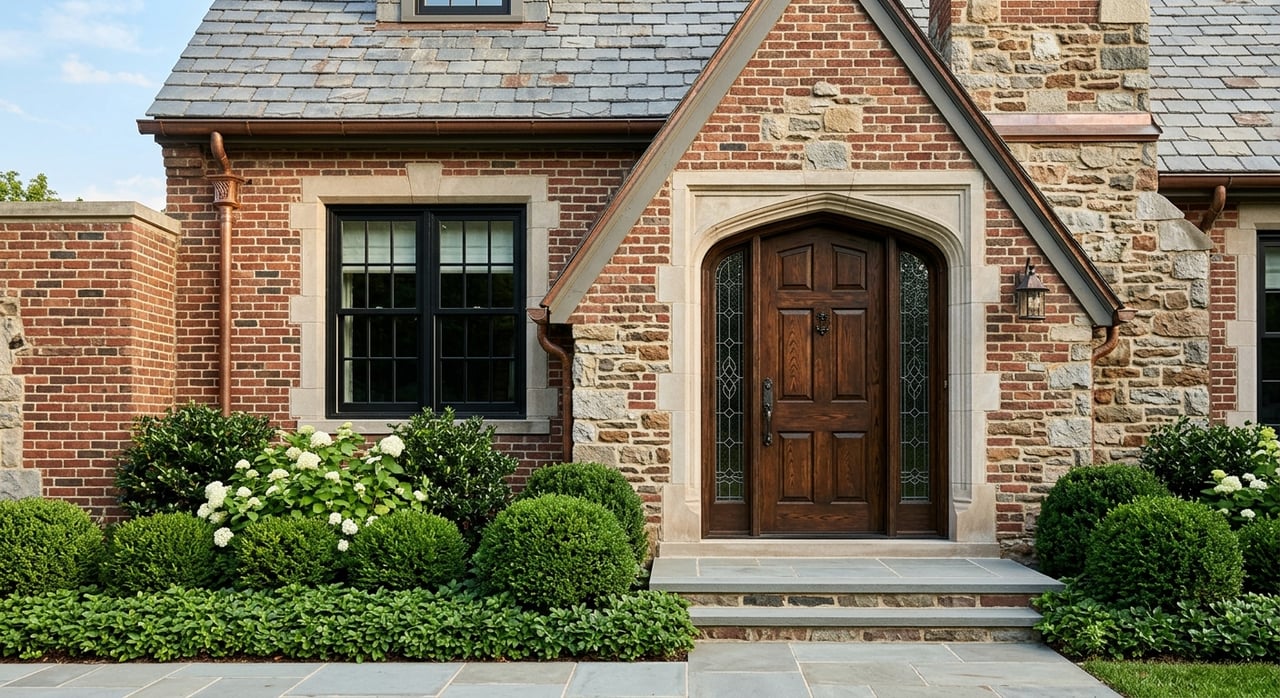
Tudor Revival homes are often recognized by steeply pitched roofs, cross gables, tall chimneys, narrow multi-pane windows, arched doorways, and a mix of exterior materials like brick, stone, stucco, and wood. These features create a dramatic and timeless look that many buyers want. They can also make the exterior more complex to maintain.
For you, the biggest practical concerns are often the roof, flashing, chimney mortar, and moisture management. When a house has multiple rooflines and mixed materials, water can find more entry points if maintenance slips. A Tudor can be beautiful, but it rewards careful inspection.
Colonial Homes in South Orange
Colonial Revival homes usually emphasize symmetry, gabled or hipped roofs, double-hung windows, front porches, and classic entry details such as fanlights, columns, or pilasters. These homes often feel orderly and balanced from the street. That curb appeal is a major part of their appeal in South Orange.
When you walk through a Colonial, one key question is whether later updates respected the home’s original proportions and facade details. Window patterns, porch elements, and front elevation balance are central to the style. If those features were heavily altered over time, the house may feel less consistent architecturally.
Victorian-Era Homes in South Orange
Victorian-era homes, especially Queen Anne-style houses, are known for asymmetry, wrap-around porches, towers or turrets, decorative brackets, and varied exterior materials. These homes often make a strong first impression. They also tend to include more specialty trim and decorative components than simpler house styles.
That matters because the details that create character are often the same details that need careful repair. Matching original materials or restoring decorative elements can take more planning than standard cosmetic work. If you are buying one of these homes, look closely at the condition of porches, trim, brackets, and exterior surfaces.
Ask More About Moisture and Drainage
In older and historic homes, uncontrolled moisture is one of the most important issues to evaluate. National Park Service guidance identifies moisture as the most common cause of deterioration in older buildings, with the potential to lead to rot, corrosion, erosion, and structural damage over time. That makes water management one of the first topics you should discuss during inspections.
Ask about roof leaks, gutter and downspout performance, grading around the home, basement seepage, attic ventilation, and any history of water damage. If there was a past issue, ask whether it was properly repaired and documented. A beautiful historic home can become far more expensive if moisture problems were ignored or only patched cosmetically.
Inspection Questions to Prioritize
When you are evaluating a South Orange historic home, these questions can help guide your inspection conversations:
- Is there evidence of active or past moisture intrusion in the roof, attic, masonry, basement, or wall cavities?
- Have roof leaks, drainage issues, or basement seepage been repaired, and is there documentation?
- Are gutters, downspouts, and site grading directing water away from the structure?
- Is attic ventilation adequate for the home’s roof design and age?
Look Closely at Windows, Insulation, and HVAC
Many buyers assume older windows always need to be replaced to improve comfort or efficiency. In historic homes, that is not always true. National Park Service guidance notes that historic windows and doors can often be repaired or upgraded, and that weatherstripping and storm windows can significantly improve performance.
Older homes may also have less insulation than homes built today. Before adding insulation, an energy assessment should identify where air sealing and insulation are actually needed. For you, that means the right question is not just whether insulation was added, but whether the house was assessed and air-sealed in a thoughtful way first.
Ask whether the original windows are repairable, whether storm windows or weatherstripping have been added, where insulation currently exists, and whether air sealing was completed before insulation upgrades. In a historic home, energy improvements usually work best when they respect the building’s original materials and ventilation patterns.
Be Ready for Lead and Asbestos Due Diligence
If the home was built before 1978, lead-based paint and asbestos should be part of your due diligence. EPA guidance says older homes are more likely to contain lead-based paint, and it reports that 87% of homes built before 1940 have some lead-based paint. It also notes that renovation, repair, and painting work in pre-1978 homes must use lead-safe certified practices.
Asbestos is different because it generally cannot be identified by sight alone. EPA guidance says it should be left undisturbed if intact, but assessed by trained professionals before any disturbance. For you, that means documentation matters.
Ask whether the home has been tested for lead-based paint, whether any renovation work followed lead-safe practices, and whether there are asbestos inspection or abatement records. These are not reasons to avoid an older home automatically, but they are reasons to ask better questions before closing.
Understand South Orange Preservation Rules
Not every older home in South Orange is subject to the same preservation rules. The village’s Historic Preservation Commission operates under Ordinance 2024-16 and issues Certificates of Appropriateness for demolition, relocation, or subdivision of designated buildings and properties in designated historic districts. As of October 2024, the village FAQ states that the only residential properties designated historic are the 40 key contributing properties in the Montrose Park Historic District.
That distinction matters. A home may be old or architecturally notable without being one of the designated residential properties subject to that local review structure. Before you buy, verify whether the property is designated and whether it falls within a historic district where exterior changes may be reviewed.
What Changes May Need Review
South Orange’s FAQ gives buyers a practical roadmap for understanding what is and is not reviewed.
Interior renovations are exempt from Historic Preservation Commission review. Some minor exterior work may also be allowed, including roof replacement with material compatible with the home’s historic character, replacement of existing doors and windows, and painting previously unpainted surfaces such as stone.
Major work includes additions and visible facade changes. If a zoning variance is required, the Zoning Board refers the application to the Historic Preservation Commission. If you already have renovation plans in mind, this is worth understanding before you make an offer.
Know the Difference Between Designation and Incentives
Historic status can create confusion for buyers, especially around restrictions and tax benefits. New Jersey states that listing on the New Jersey or National Registers of Historic Places does not by itself restrict private property owner rights. At the same time, municipal zoning and local preservation ordinances can still apply.
It is also important to set expectations about incentives. The federal 20% historic rehabilitation tax credit is for income-producing certified historic structures, not owner-occupied residences. New Jersey Register-listed properties may be eligible for grants and loans, but buyers should confirm whether a specific property qualifies and what rules apply.
A Smart Buying Strategy for South Orange Historic Homes
Buying a historic home in South Orange works best when you balance emotion with due diligence. The setting, architecture, and long-established streetscapes can be incredibly appealing, especially if you want a home with real presence and period detail. But these homes ask for a more informed purchase process than a newer property might.
Focus on three things early: condition, designation status, and future plans. Understand how the house manages water, how major systems and materials have been maintained, and whether any preservation rules could affect visible exterior changes. If you know what you are buying, a historic home can be both practical and deeply rewarding to own.
If you are exploring historic homes in South Orange and want local guidance on evaluating character, condition, and fit, New Jersey Luxury Real Estate Group can help you navigate the process with a more informed eye.
FAQs
What makes South Orange historic homes different from newer homes?
- South Orange’s older homes reflect the village’s long development as a residential railroad suburb, which means you often get strong architectural character along with updates completed over many different decades.
What should you inspect first in a South Orange historic home?
- Start with moisture-related issues, including the roof, gutters, drainage, attic ventilation, masonry, and basement seepage, because uncontrolled moisture is a leading cause of deterioration in older buildings.
What should you ask about windows in a South Orange older home?
- Ask whether the original windows can be repaired, whether storm windows or weatherstripping have been added, and whether insulation and air sealing were planned as part of a broader energy assessment.
What should you know about lead and asbestos in South Orange older homes?
- If the home is pre-1978, ask for records related to lead-based paint testing, lead-safe renovation practices, and any asbestos inspection or abatement completed before work was done.
Which South Orange historic homes are subject to local preservation review?
- As of October 2024, the village FAQ states that the only residential properties designated historic are the 40 key contributing properties in the Montrose Park Historic District.
Do interior renovations in South Orange historic homes need Historic Preservation Commission review?
- No. South Orange’s FAQ says interior renovations are exempt from Historic Preservation Commission review, though some exterior changes and larger visible projects may still require review.