Dreaming of a country estate with real privacy is one thing. Buying one in Harding is another. If you are looking for acreage, a long-driveway arrival, and room to breathe in Morris County, Harding offers a very specific kind of luxury market, and understanding how it works can help you buy with more confidence. Let’s dive in.
Why Harding Feels Different
Harding Township is not just another luxury suburb in Morris County. It is a rural community shaped by preserved land, environmental protections, and a long-standing preference for low-density development.
That character is easy to see in the numbers. Harding has preserved more than 6,200 acres, which is 47.1% of the township. The community also had a 2023 population of 3,891 and a density of 194 people per square mile, which helps explain why buyers often come here for space, privacy, and a more estate-oriented setting.
The area’s development pattern also has deep roots. Harding’s master plan connects today’s large-lot landscape to the 1928 New Vernon Neighborhood Restrictive Agreement, which aimed to prevent subdivision into lots smaller than three acres. That legacy still shows up in local land use and in the township’s preference for privacy-oriented homes on substantial parcels.
What “Country Estate” Means in Harding
In Harding, an estate is usually not a separate legal property type. In practice, it is better understood as a large-lot home where land, privacy, and site usability matter just as much as square footage.
Local zoning helps define that market. Harding’s residential standards include large-lot references of 5 acres and 3 acres, along with a 100-foot front setback. When building area exceeds 3,920 square feet, that front setback rises to 150 feet.
The township master plan also describes a 3-acre minimum lot size and a 5-acre average-density framework for rural residential subdivisions. For you as a buyer, that means Harding’s housing stock tends to be shaped by land-first planning rather than a more compact suburban model.
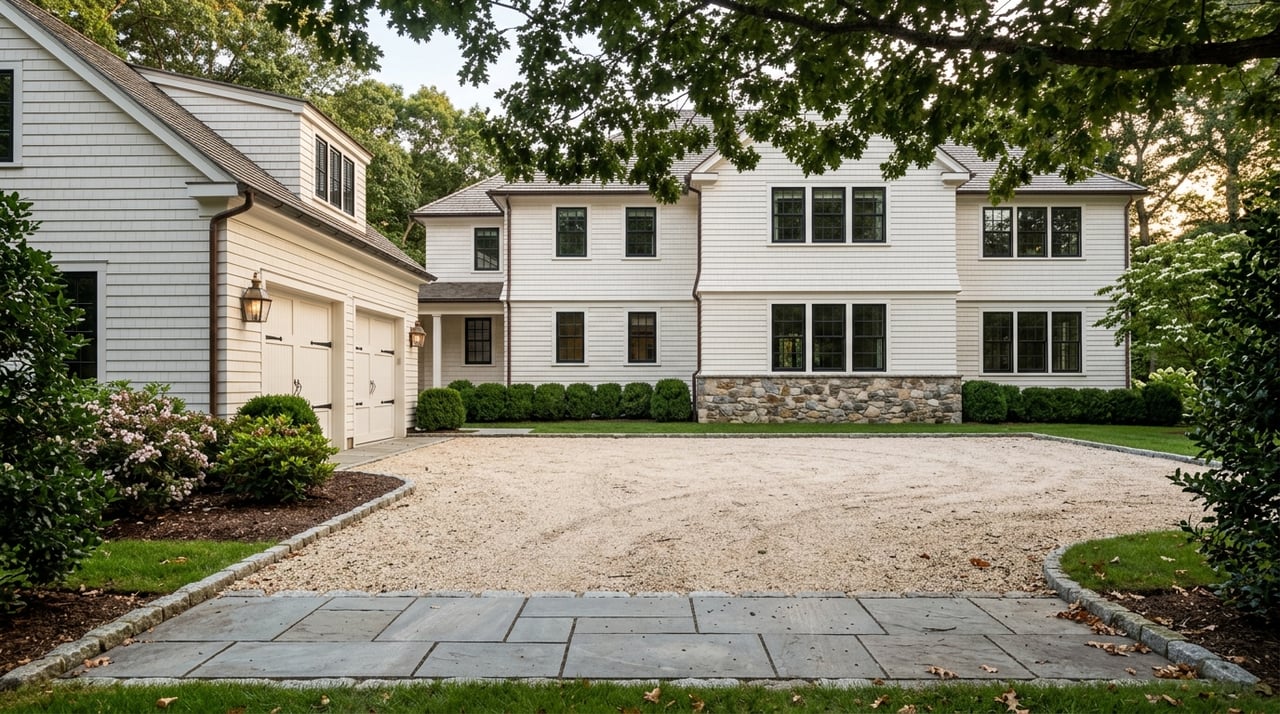
Current inventory supports that picture. Active listings have included parcels around 3.01, 4, 4.07, 4.18, 5.03, 6.5, and even 29.9 acres. Listings in this market also commonly feature amenities like larger garages, pools, tennis courts, and horse stables.
What Buyers Should Prioritize
When you buy in Harding, standard suburban checklists only go so far. Here, the value of a property often depends on how the land functions.
Look closely at factors like acreage, privacy, road frontage, driveway length, tree cover, and the usefulness of any outbuildings. You should also think about whether the property can support future additions or accessory structures without creating zoning or environmental issues.
That is especially important because Harding’s appeal is often tied to flexibility and seclusion. A parcel may look impressive on paper, but the practical value can change quickly if setbacks, wetlands, slope conditions, or other site constraints limit what you can actually do with it.
Wells and Septic Matter More Here
One of the biggest differences between buying in Harding and buying in a more typical suburban neighborhood is infrastructure. Harding’s master plan states that most homes in the RR and R-1 districts rely on individual septic systems and potable water systems, with only limited public water and sewer infrastructure.
Most residents also depend on wells for water supply. Because of that, you should treat water and wastewater systems as a major part of your due diligence, not a side note.
NJDEP advises buyers of septic-served homes to secure a septic inspection. For private wells, New Jersey’s Private Well Testing Act requires testing for potable wells at transfer, and NJDEP also recommends regular annual and five-year testing for private wells.
If you are comparing multiple properties, the condition, age, and service history of the septic and well systems can meaningfully affect your comfort level and future maintenance planning. This is one of the reasons estate purchases in Harding benefit from a careful, organized review process.
Environmental Review Is Essential
In Harding, environmental due diligence is often a core part of the purchase process. Larger parcels may include features that are attractive from a lifestyle standpoint, but they can also come with added review requirements.
The township master plan identifies stream corridors, freshwater wetlands, flood hazard areas, steep slopes, and mature woodlands as areas of special concern. It also ties local land-use rules to protecting the Great Swamp watershed.
NJDEP states that work involving wetlands or flood hazard areas can require permits or approvals. For you, that means a property near drainage features or environmentally sensitive land deserves site-specific review before you make assumptions about expansions, accessory buildings, landscape changes, or recreational improvements.
This is where local market guidance becomes especially valuable. A beautiful parcel may still be an excellent fit, but only if you understand the practical limits of the land.
Harding Carrying Costs to Understand
Luxury buyers often focus first on acquisition price, but carrying costs matter just as much in a country-estate market. Harding’s 2023 median housing value was $1,177,300, and the average residential property tax was $14,959.
That tax figure is above the Morris County average of $11,599 and the New Jersey average of $9,803. At the same time, Morris County’s 2025 general tax-rate table lists Harding at 1.234, which is below Chatham Township at 1.518 and Mendham Township at 1.839.
The takeaway is simple. You should look at both the assessed tax burden and the full operating picture of the property, including land maintenance, systems upkeep, and the practical needs that come with a larger parcel.
How Harding Compares in Morris County
Harding sits in the luxury tier of the Morris County market, but it behaves differently from nearby alternatives. It tends to offer thinner inventory and more land-centric value.
Current market snapshots show Harding with a median listing price of $1,449,450, 10 homes for sale, and a median 30 days on market. Homes are selling approximately at asking price on average.
For comparison, Mendham Township shows a median listing price of $1,549,000 with 33 homes for sale and 51 days on market. Chatham Township shows $1,647,000 with 43 homes for sale and a 20-day median pace. Chester Township sits around $1.20 million with 36 homes for sale, while Morristown is much lower at $687,500 and has 110 homes for sale.
What really separates Harding is lot size. While Harding listings regularly include 3-plus-acre parcels, current luxury listings in Chatham Township can sit on lots such as 0.49, 0.54, 0.61, and 0.89 acres. If your priority is true acreage and estate-scale privacy, Harding offers a different experience than a more conventional luxury suburb.
Commuting From Harding
If you need access to New York City, Harding buyers usually think regionally rather than expecting a station in town. Morris County notes that the Morristown Line and Gladstone Branch provide service to New York Penn Station, Newark Broad Street, and Hoboken.
Nearby NJ Transit access is available at stations such as Chatham, Madison, Convent, and Morristown. That setup often appeals to buyers who want country-estate living without giving up practical rail options in the surrounding area.
For many buyers, that balance is part of Harding’s appeal. You can pursue more land and privacy while still staying connected to the broader commuter network in Morris County.
A Smart Buying Strategy for Harding Estates
Because Harding inventory is limited and each property can differ significantly, your buying approach should be disciplined. Two homes at a similar price point can offer very different value depending on land use, environmental conditions, and long-term flexibility.
A strong process usually includes:
- Clarifying your land priorities, such as acreage, privacy, equestrian use, recreation, or room for future additions
- Reviewing zoning and setback implications early
- Confirming well and septic testing and inspection needs
- Evaluating environmental features on the parcel
- Comparing carrying costs, not just list price
- Weighing commute patterns through nearby rail access points
In a market like Harding, confidence comes from asking better questions early. The right property is not just the one that looks the part. It is the one that supports the way you want to live, with fewer surprises after closing.
If you are considering a move to Harding or comparing estate options across Morris County, working with a team that understands luxury positioning, buyer advocacy, and the details behind large-parcel homes can make the search much more efficient. When you are ready to explore your options, connect with New Jersey Luxury Real Estate Group.
FAQs
What makes a country estate in Harding different from a luxury home in other Morris County towns?
- In Harding, estate-style homes are typically defined by acreage, privacy, setbacks, and land utility rather than just house size or finishes. Active listings commonly include parcels of 3 acres or more, which is very different from smaller-lot luxury markets in towns like Chatham Township.
What lot sizes are common for estate properties in Harding Township?
- Harding’s zoning and planning framework reflects large-lot development, with references to 3-acre minimum lot sizes and 5-acre average-density standards. Current listings have included parcels from just over 3 acres to nearly 30 acres.
What should buyers check when buying a Harding home with land?
- You should pay close attention to well and septic systems, zoning setbacks, wetlands, flood hazard areas, steep slopes, and other environmental constraints that could affect future plans for the property.
Are private wells and septic systems common in Harding Township homes?
- Yes. Harding’s master plan says most homes in key residential districts rely on individual septic and potable water systems, and most residents depend on wells for water supply.
How does Harding Township compare on taxes and pricing?
- Harding’s 2023 average residential property tax was $14,959, and its median listing price is about $1,449,450. It sits in Morris County’s luxury tier, but it stands out more for acreage and limited inventory than for volume of listings.
How do you commute to New York City from Harding, New Jersey?
- Buyers in Harding generally use nearby NJ Transit stations rather than a station within the township. Morris County identifies rail access through the Morristown Line and Gladstone Branch, with nearby stations including Chatham, Madison, Convent, and Morristown.